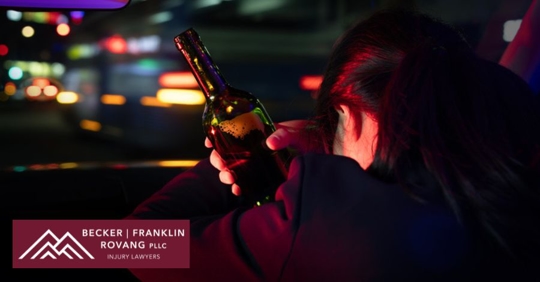
Being hit by a drunk driver is not only terrifying. It also leaves you with a whirlwind of emotions and practical concerns. Remember that you have specific rights and steps you need to take to protect yourself and ensure you receive the justice and compensation you deserve. This isn't just about car repairs; it's about your well-being, your recovery, and holding a negligent party accountable.
Here are the crucial steps you need to take immediately and in the days following such a devastating event:
1. Prioritize Your Safety and Seek Immediate Medical Attention
Your health is paramount. Even if you feel fine, adrenaline can mask injuries.
Move to a safe location: If possible and safe to do so, move your vehicle off the road to prevent further accidents.
Check for injuries: Assess yourself and any passengers for injuries.
Call 911 immediately: Report the accident to the police and request an ambulance if anyone is injured. Explain that you suspect the other driver is impaired. This creates an official record and ensures medical professionals are dispatched.
Accept medical evaluation: Let paramedics assess you at the scene. If they recommend transport to a hospital, go. If not, schedule a medical examination with your doctor as soon as possible, even if you feel minor aches. Some injuries, like whiplash or internal injuries, may not manifest for hours or even days. Documenting your injuries early is vital for your claim.
2. Document Everything at the Scene
The more information you gather, the stronger your case will be.
Do NOT confront the other driver: Their impairment can make them unpredictable. Limit your interaction to exchanging information.
Exchange information: Get the other driver's name, contact information, insurance company, and policy number, and vehicle information (make, model, license plate).
Gather witness information: If anyone saw the accident, ask for their names and contact details. Their testimony can be incredibly valuable.
Take photos and videos: Use your phone to capture the scene from multiple angles. Get photos of:
Damage to both vehicles.
The position of the vehicles.
Road conditions, traffic signs, and signals.
Any visible injuries you or your passengers sustained.
The other driver (if it's safe to do so and you suspect impairment, without being confrontational).
Note details of impairment: If you observed signs of impairment (slurred speech, unsteady gait, odor of alcohol), make a mental note or discreetly record them. Do not accuse the driver, simply observe.
Do NOT apologize or admit fault: Even a seemingly innocent "I'm so sorry this happened" can be twisted and used against you later. Stick to factual statements.
3. Cooperate with Law Enforcement
When the police arrive, be cooperative and provide them with accurate information.
Be clear about your observations: Tell the officers everything you witnessed, especially your suspicions about the other driver's intoxication.
Request a sobriety test: Ask the officers to administer a field sobriety test and a breathalyzer to the other driver.
Get the police report number: Ask for the incident number so you can obtain a copy of the official police report later. This report will be crucial for your insurance claim and potential legal action.
4. Notify Your Insurance Company
Contact your insurance company as soon as possible after ensuring your safety and documenting the scene.
Report the accident: Provide them with the details you gathered.
Be factual, not emotional: Stick to the facts of the accident.
Do NOT give a recorded statement to the other driver's insurance company: They are not on your side. Refer them to your attorney if you have one, or simply state you will only speak with your own insurer.
5. Contact a Car Accident Attorney (Especially DUI Cases)
This is perhaps the most crucial step for Washington State residents in this situation.
Understanding Washington Law: Washington has specific laws regarding drunk driving accidents, including the potential for punitive damages in certain circumstances. An attorney familiar with these laws will be invaluable.
Protecting Your Rights: A skilled attorney will handle communication with insurance companies, investigate the accident, gather evidence (including the drunk driver's toxicology reports), and negotiate on your behalf.
Maximizing Your Compensation: They will ensure you seek full compensation for all your damages, which can include medical bills, lost wages, pain and suffering, emotional distress, and property damage.
Navigating the Legal Process: Drunk driving cases can involve both criminal proceedings against the driver and a civil claim for your damages. An attorney can help you navigate these complex, simultaneous processes.
Being hit by a drunk driver is a horrific experience, but you don't have to face the aftermath alone. Becker Franklin Rovang is more than knowledgeable and experienced in handling car accidents in Washington. With thousands of auto accident claims handled, we are equipped to cover all the necessary bases. We can help you.
Empower yourself to protect your rights now. Contact us today at (360) 800-3009.